
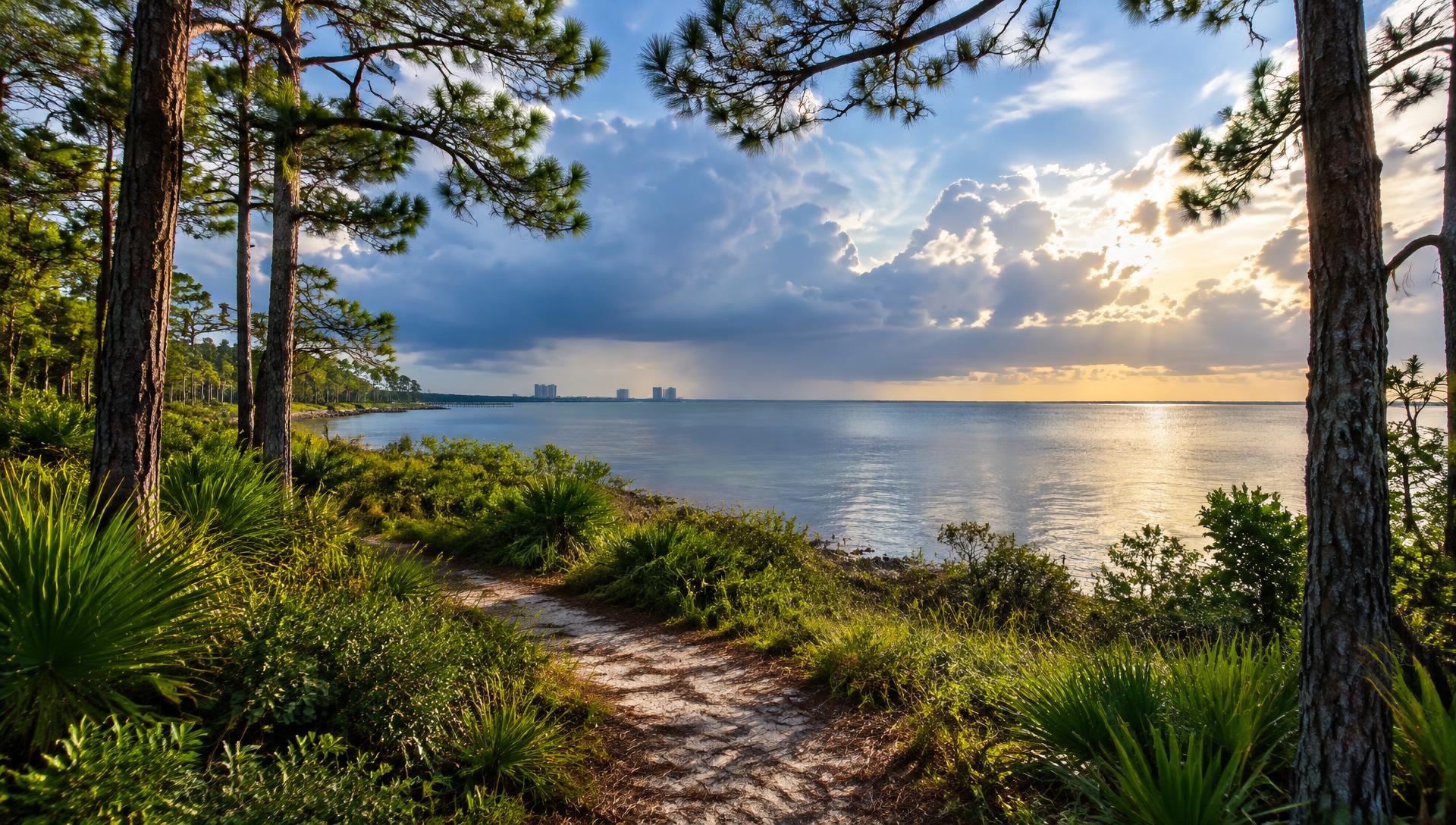
Florida Locations
Telehealth Therapy in Panama City, Florida
Care by secure video, with room for your everyday life.
Panama City
Life Here and What You Carry
Panama City includes families connected to Tyndall Air Force Base, first responders and healthcare workers whose responsibilities may continue through difficult conditions. Rebuilding life after major storms can involve more than repairing a home. Changes in routines, reminders of past events and worries about another storm may remain part of everyday life. People who care for others can have their own needs pushed to the end of the day. Therapy provides time to discuss these experiences without requiring you to describe them as a particular disorder. Military changes, loss and accumulated stress can all be part of the conversation.
For Panama City residents, a new storm warning can arrive alongside unfinished decisions from earlier rebuilding. Healthcare and emergency responsibilities may continue even when a worker's own household needs attention. Families tied to Tyndall can also be managing a military transition while trying to maintain ordinary routines for children and partners.
Common Reasons People Here Reach Out
A Panama City resident may seek therapy because storm preparation brings up memories that feel stronger than the current forecast alone would explain. Another person may be tired of making practical rebuilding decisions and want room to talk about what was lost. A healthcare worker or first responder may have spent a difficult period supporting others while postponing their own reactions. Those experiences do not need to be identical to deserve attention.
Families connected to Tyndall Air Force Base may also be adjusting to separation, changed duties or a return home that brings new expectations. Stress can show up as irritability, interrupted sleep or repeated disagreements rather than one clear complaint. By telehealth for people in Panama City, care can address present routines alongside trauma, grief or anxiety when clinically appropriate. A clinician can discuss preparation before any memory-focused work. The first conversation can describe what daily life has become harder to do, without requiring a detailed account of a storm or a difficult call.
How Telehealth Works
Join a secure video session from home, a private work break or a parked car. You must be physically in Florida at session time. Have a stable connection, a charged device and a place where you will not be overheard. Headphones can help. Test your camera and sound before starting. If video drops, your clinician will try to reconnect and call if needed.
Care Available
Concerns You Can Bring
You do not need a diagnosis before calling. These pages describe concerns and approaches, not assumptions about people who live here. Together, you and your clinician discuss goals and what feels workable.
Who You Would See
Insurance in Brief
Accepted plans include Aetna, Blue Cross Blue Shield, Anthem, Cigna, UnitedHealthcare, Optum, Tricare, Carelon (Beacon), Oscar, Headway, Curative and First Health. Call the office with any questions about coverage or cost. A free 15-minute phone consultation lets you ask questions before starting. Please give 24 hours notice to cancel or reschedule.
Questions About Care Here
Can I talk about life after a major storm?
Yes. Trauma, grief and anxiety are among the concerns we address. Preparation comes first when EMDR is part of care.Do you see families connected to Tyndall?
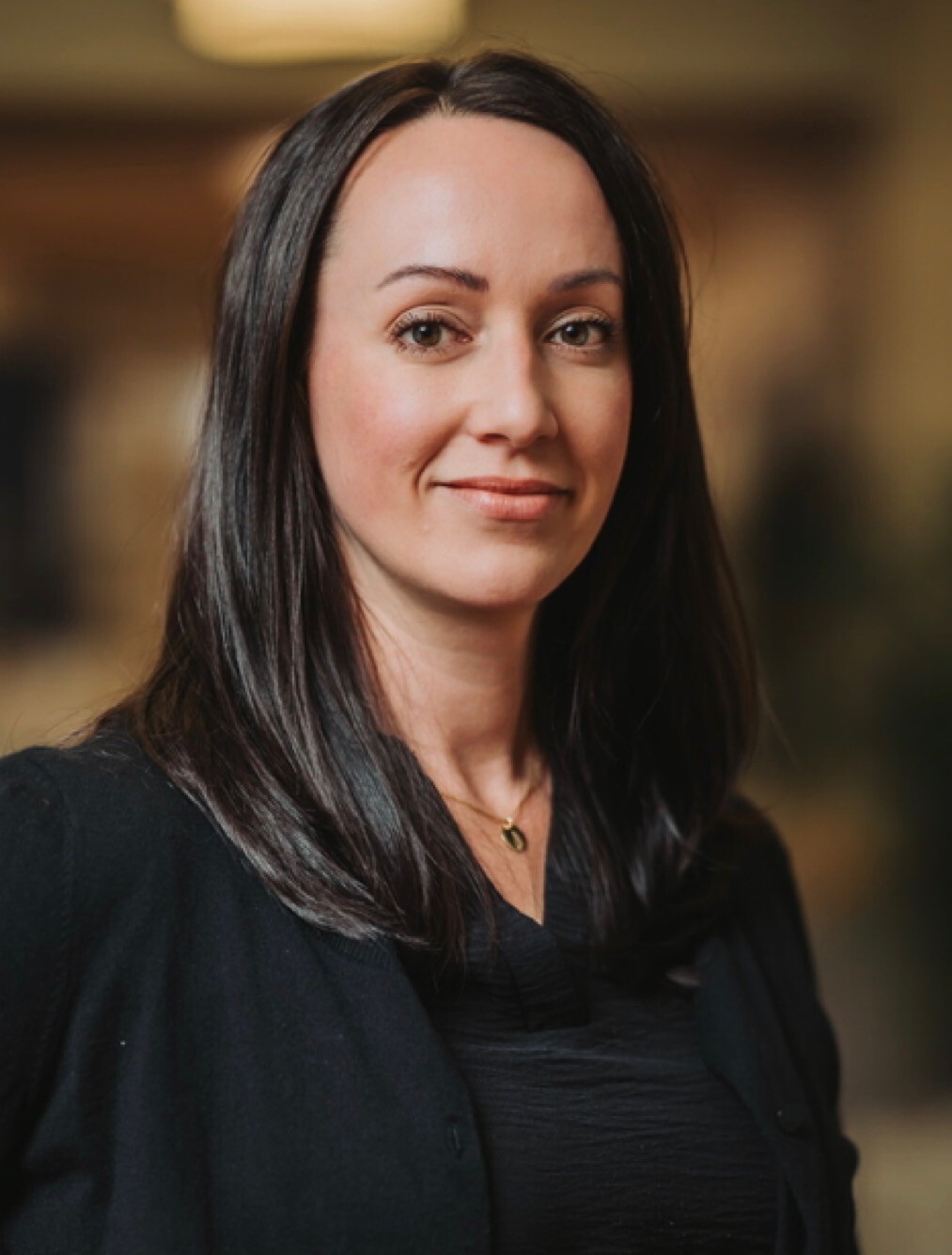
Yes. Jenna has military and VA behavioral health experience, and our team provides telehealth for Florida military families.Can first responders and healthcare workers request care?
Yes. Contact the office to discuss a clinician and service that fit what you want help with.
Nearby Florida Communities
Start Telehealth Care
Call or email the office. We will set up a free 15-minute phone consultation to see if we are a good fit.
Existing clients: Client Portal
Please do not send health, treatment or medication details by email. If you are in crisis, call or text 988, or call 911.