

Intervention Services
Should We Wait for Rock Bottom?
A calm look at waiting, acting now and the questions families can ask before deciding.
A service of Empower Professional Counseling Services
Overview
Understanding the Process
Families often hear that a person must hit rock bottom before accepting help. The idea can make relatives feel they should simply wait. But rock bottom is not a clear line, and it may not look the same for any two people. A conversation about options does not require waiting for a disaster.
Comparison
Waiting or Acting Now
Waiting may feel less confrontational, and families may hope the person will choose change independently. Acting now may involve a planned conversation, boundaries and treatment options. Neither choice is easy. The question is what support is available and what the family is prepared to do.
- 01Waiting can delay a plan
- 02Acting now can clarify options
- 03Either path benefits from support
Myths
Things Families Often Hear
Some families hear that help only works when someone asks for it, that talking about treatment will push the person away, or that relatives can do nothing until the situation is severe. These beliefs can leave families stuck. Planning can create a respectful way to express concern.
Signs
When It May Be Time to Talk to Someone
Consider reaching out when worry is affecting your sleep, work, relationships or sense of safety. Repeated promises, secrecy, conflict, legal trouble or health concerns can also be reasons to ask questions. If anyone is in immediate danger, call 911.
- 01Repeated broken promises
- 02Growing conflict or secrecy
- 03Fear about what may happen next
Consultation
How a Consultation Call Works
A first call gives the family time to describe the situation in general terms. Crawford can explain intervention planning, sober escort services and how the process works. The office can also talk about counseling for family members. Do not email health, treatment or medication details.
Care for the Family
You Can Seek Support Now
Even if your loved one is not ready, family members can ask about counseling, education and boundaries. Support does not depend on someone else saying yes. You may want to discuss the difference between offering help and taking on responsibilities you cannot sustain. A licensed clinician can work with relatives on their own stress and communication, while Crawford focuses on intervention planning. A first conversation does not obligate the family to hold an intervention. It gives you a chance to ask what preparation involves, what practical arrangements are needed and what happens if your loved one declines. Take time to consider those answers before choosing a next step.
Your Guide
Working With Crawford Winstead
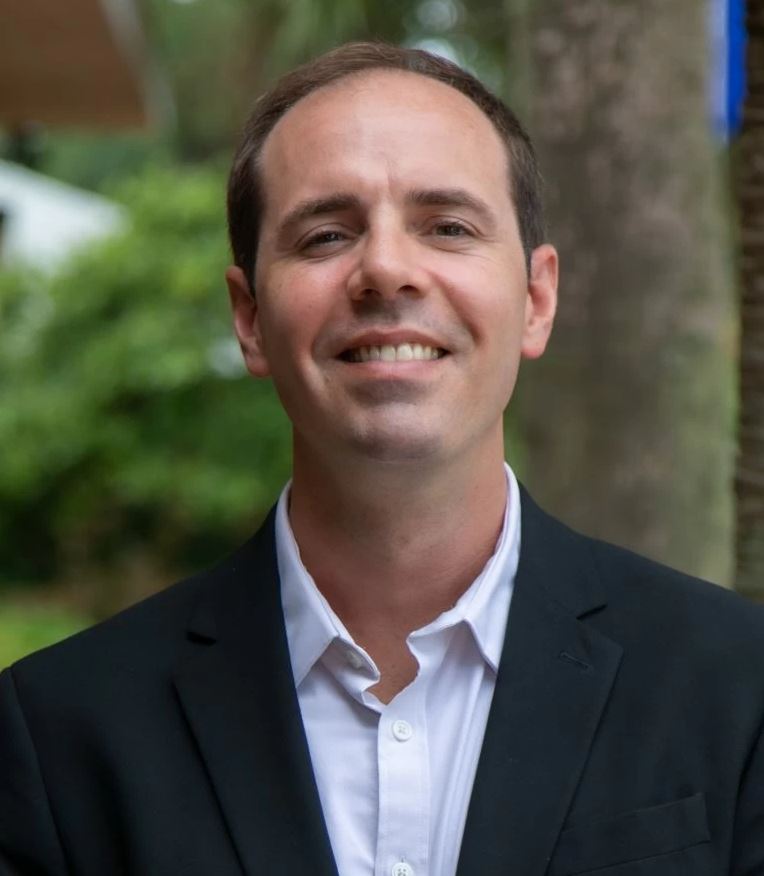
Crawford Winstead
NCIP, NCSC
Crawford Winstead is a Nationally Certified Intervention Professional (NCIP) and Nationally Certified Sober Companion (NCSC). He also supports admissions, care coordination and operations at Empower.
Cost should not be the reason a family waits. Crawford goes over services and cost by phone, including options that can make an intervention more affordable. Call (850) 660-7856 to talk it through.
Questions
Frequently Asked Questions
Will an intervention make things worse?
Preparation is meant to keep the conversation focused and respectful. Discuss concerns about timing and risk during consultation.Do we need to know exactly what to do before calling?
No. Calling can help clarify the situation and possible next steps.Is a consultation the same as therapy?
No. An intervention consultation is about planning. Licensed clinicians provide therapy.
Talk It Through With Crawford
Call or email the office to set up a first conversation about your family's situation.
Existing clients: Client Portal
Please do not send health, treatment or medication details by email. If you are in crisis, call or text 988, or call 911.